
Debunking Common Myths About Eco-Friendly Homes in Toronto
Understanding the True Cost of Eco-Friendly Homes
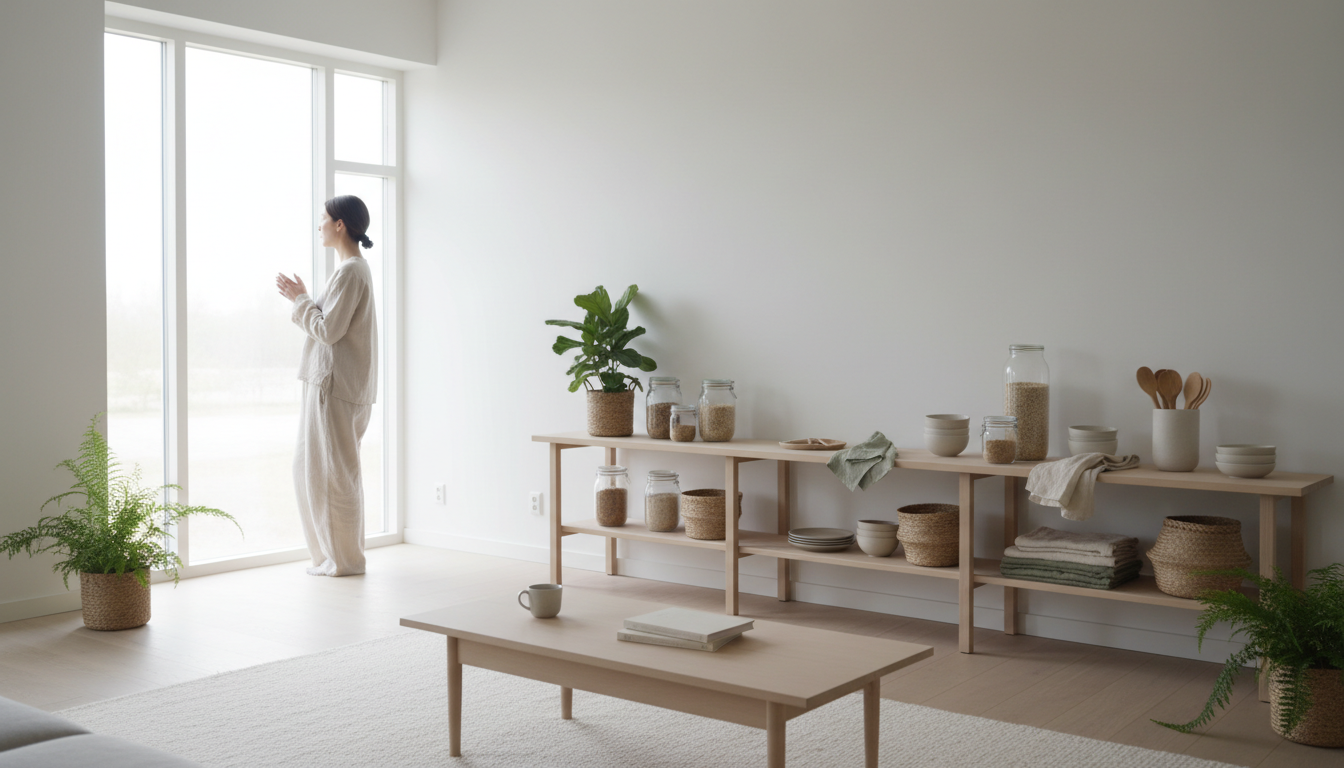
One of the most pervasive myths about eco-friendly homes in Toronto is that they are prohibitively expensive. While it's true that some green technologies can have higher upfront costs, the long-term savings often offset these initial expenses. Energy-efficient appliances and improved insulation can significantly reduce monthly utility bills, leading to substantial savings over time.
Additionally, government incentives and rebates are available to homeowners who choose to go green, further decreasing the financial burden. It's important to consider the total cost of ownership rather than just the initial investment when evaluating eco-friendly homes.
Eco-Friendly Homes Are Not Just for New Builds
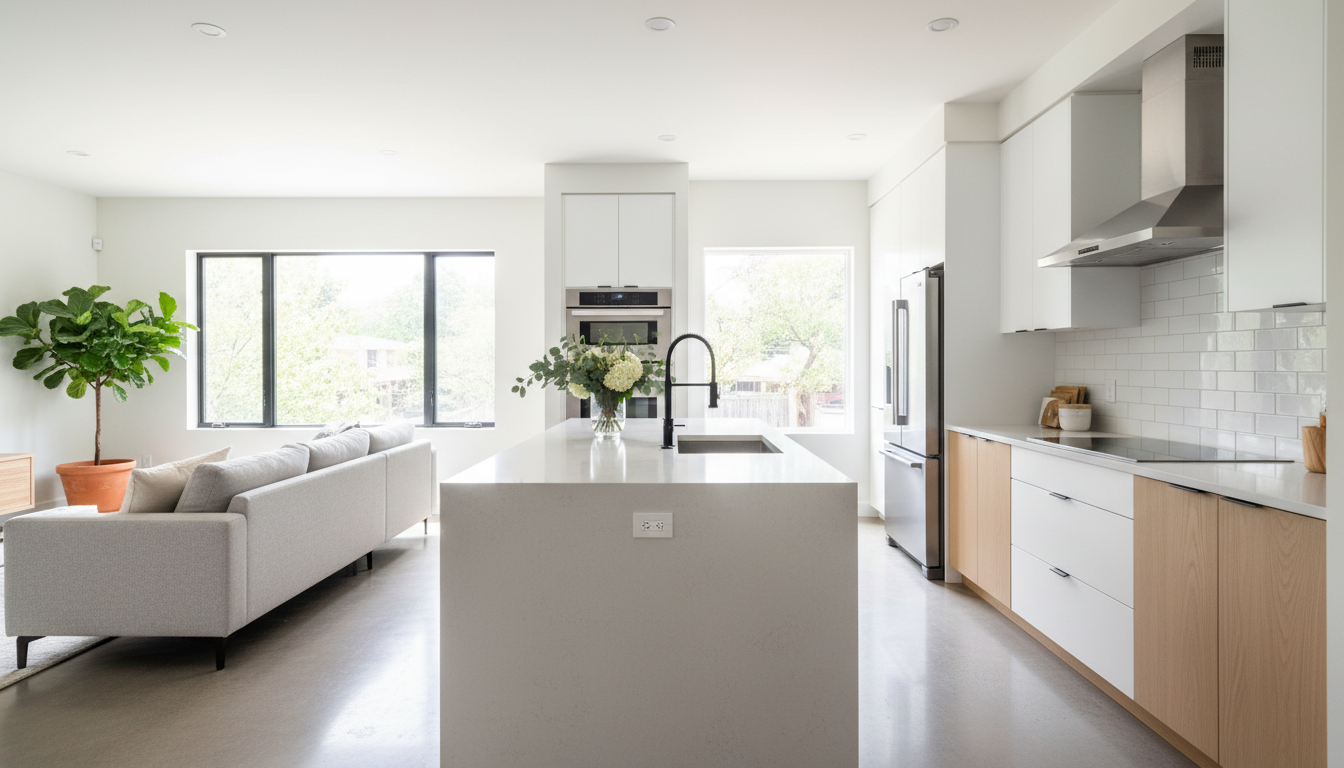
A common misconception is that eco-friendly homes are only possible with new constructions. However, many existing homes in Toronto can be retrofitted with sustainable technologies. From installing solar panels to upgrading to energy-efficient windows, there are numerous ways to make older homes more environmentally friendly.
Retrofitting not only enhances the home's energy efficiency but also increases its market value. Homeowners can take gradual steps towards sustainability, making it accessible to a wider range of people, regardless of their home's age.
Eco-Friendly Homes and Aesthetic Appeal
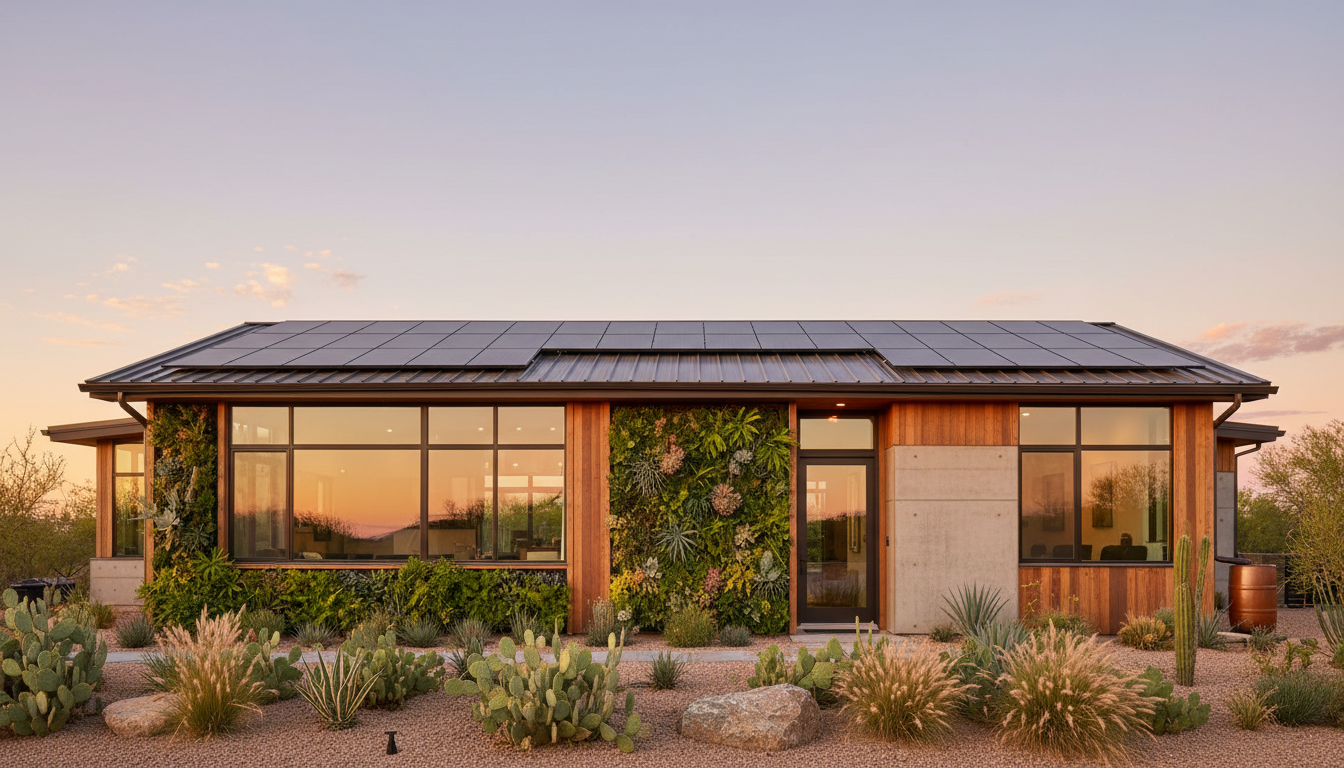
Another myth is that eco-friendly homes sacrifice aesthetics for sustainability. In reality, green homes can be designed to be both beautiful and functional. Architects and designers in Toronto are increasingly incorporating sustainable materials and technologies into their projects without compromising on style.
From sleek solar panels to stylish green roofs, there are countless design options available that cater to both environmental and aesthetic considerations. Homeowners do not need to choose between beauty and sustainability; they can have both.
Limited Options for Eco-Friendly Building Materials
Many people believe that eco-friendly building materials are limited and difficult to find. However, the market for sustainable materials has grown significantly in recent years. Toronto boasts a wide range of suppliers offering everything from reclaimed wood to eco-friendly insulation and non-toxic paints.
These materials not only minimize environmental impact but can also improve indoor air quality and increase the home's overall durability. With a little research, homeowners can find plenty of green materials that meet both their needs and budget.
The Myth of Minimal Impact
Some skeptics argue that individual efforts to make homes eco-friendly have minimal environmental impact. While it’s true that systemic change is necessary for significant global improvements, individual actions still play a crucial role. Each eco-friendly home contributes to reducing the overall carbon footprint, and collectively, these efforts can lead to substantial environmental benefits.
Moreover, adopting sustainable practices at home often inspires neighbors and communities to do the same, creating a ripple effect that amplifies positive environmental change throughout Toronto and beyond.

Conclusion
Debunking these myths is essential for encouraging more homeowners in Toronto to embrace eco-friendly living. By understanding the real benefits and possibilities of sustainable homes, more people can contribute to a healthier planet without sacrificing comfort or style. Eco-friendly homes are not only a viable option—they are an important step towards a sustainable future.