
The Rise of Eco-Friendly Homes in Toronto: A Comprehensive Guide
Introduction to Eco-Friendly Homes
As environmental awareness continues to grow, more homeowners in Toronto are looking towards eco-friendly solutions. These homes are not just a trend; they're becoming a staple in urban planning and construction. By adopting sustainable practices, residents can reduce their carbon footprint while enjoying modern, efficient living spaces.

Benefits of Eco-Friendly Homes
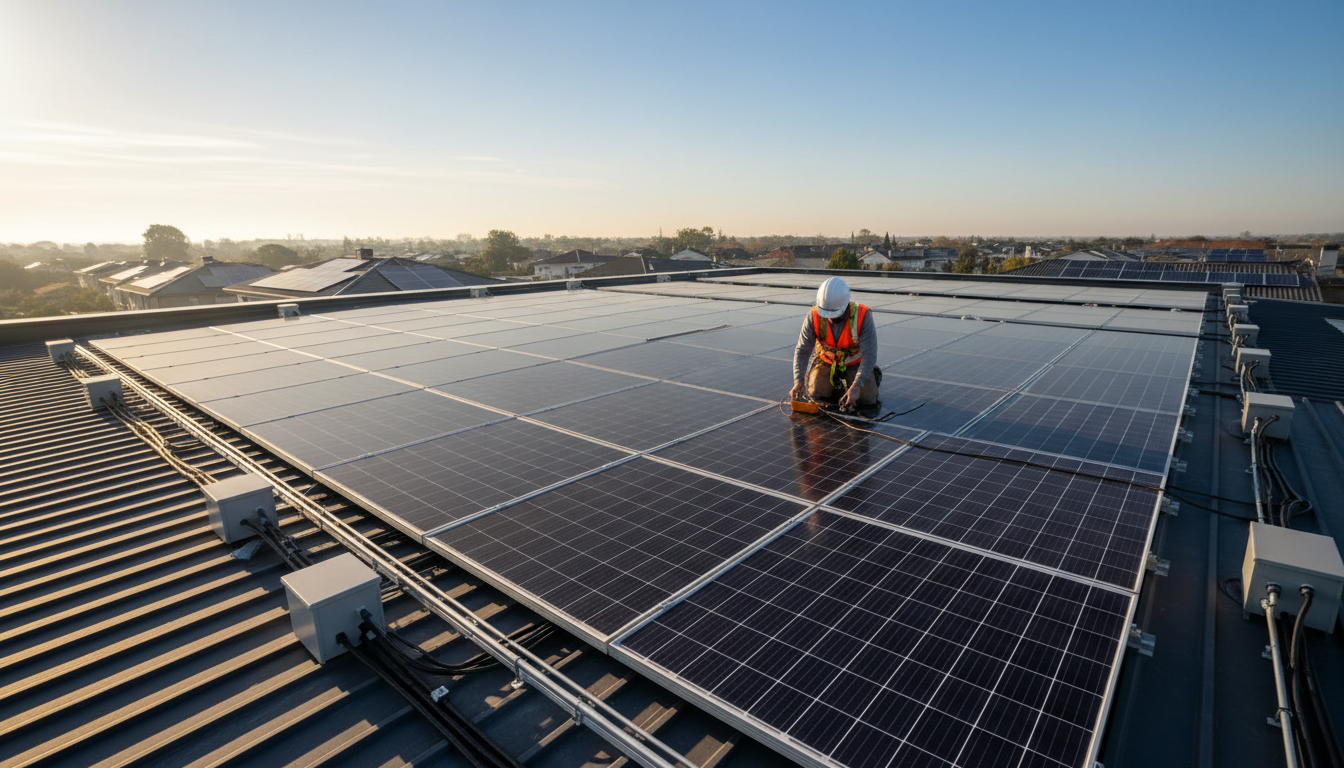
Eco-friendly homes offer a wide range of benefits. Firstly, they significantly reduce energy consumption. By using renewable energy sources like solar panels, homeowners can cut down on electricity bills. Additionally, these homes often utilize materials that have a lower environmental impact, contributing to a more sustainable future.
Moreover, eco-friendly homes improve indoor air quality. Using non-toxic paints and natural ventilation systems enhances the living environment, promoting better health and well-being for occupants.
Economic Advantages
Investing in an eco-friendly home can also be financially beneficial. While there might be higher upfront costs, the long-term savings on utilities can be substantial. Moreover, these homes often have a higher resale value, appealing to environmentally conscious buyers.
Key Features of Eco-Friendly Homes
Several features define an eco-friendly home. One of the most common is the incorporation of energy-efficient appliances and systems. This includes everything from LED lighting to high-efficiency HVAC systems that reduce energy usage.
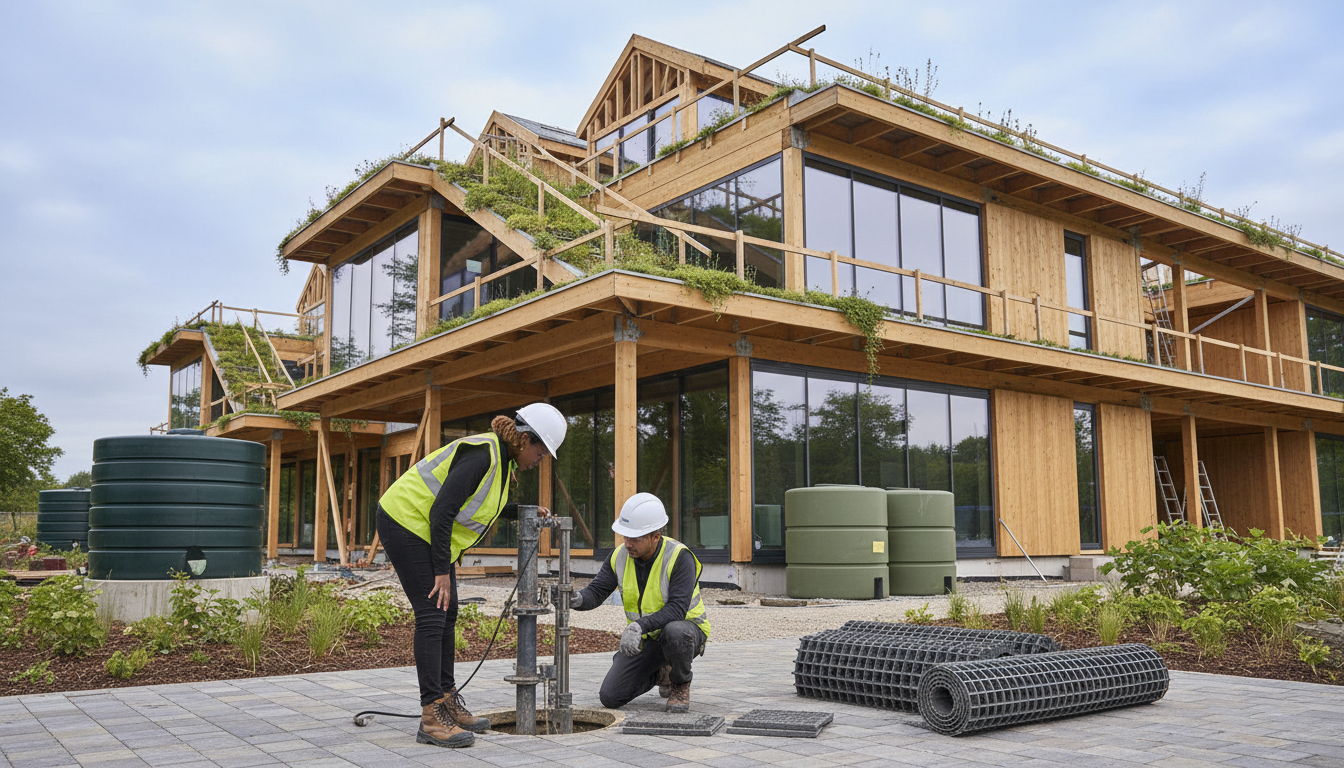
Water conservation is another critical aspect. Many eco-friendly homes include rainwater harvesting systems and low-flow fixtures to minimize water use.

Sustainable Materials
The use of sustainable materials is a hallmark of eco-friendly construction. Recycled steel, bamboo flooring, and reclaimed wood are popular choices that offer durability while minimizing environmental impact. These materials not only contribute to sustainability but also add unique aesthetic appeal.
Challenges and Considerations
While the benefits are clear, there are challenges to consider. The initial cost of building or retrofitting a home to be eco-friendly can be a barrier. Additionally, finding skilled contractors familiar with sustainable building practices is crucial for success.
Homeowners must also consider the local climate when selecting eco-friendly features. What works in one region might not be suitable for another, so customization is key to achieving the best results.
Government Incentives
The government of Canada offers several incentives to encourage the adoption of eco-friendly homes. These include rebates for energy-efficient upgrades and tax credits for using renewable energy. These incentives can help offset the initial investment and make eco-friendly living more accessible.
Conclusion
The rise of eco-friendly homes in Toronto is more than a passing trend; it's a step towards a sustainable future. By understanding the benefits, features, and considerations, homeowners can make informed decisions that benefit both the environment and their wallets. As more people embrace this lifestyle, Toronto is poised to become a leader in sustainable urban living.